Description
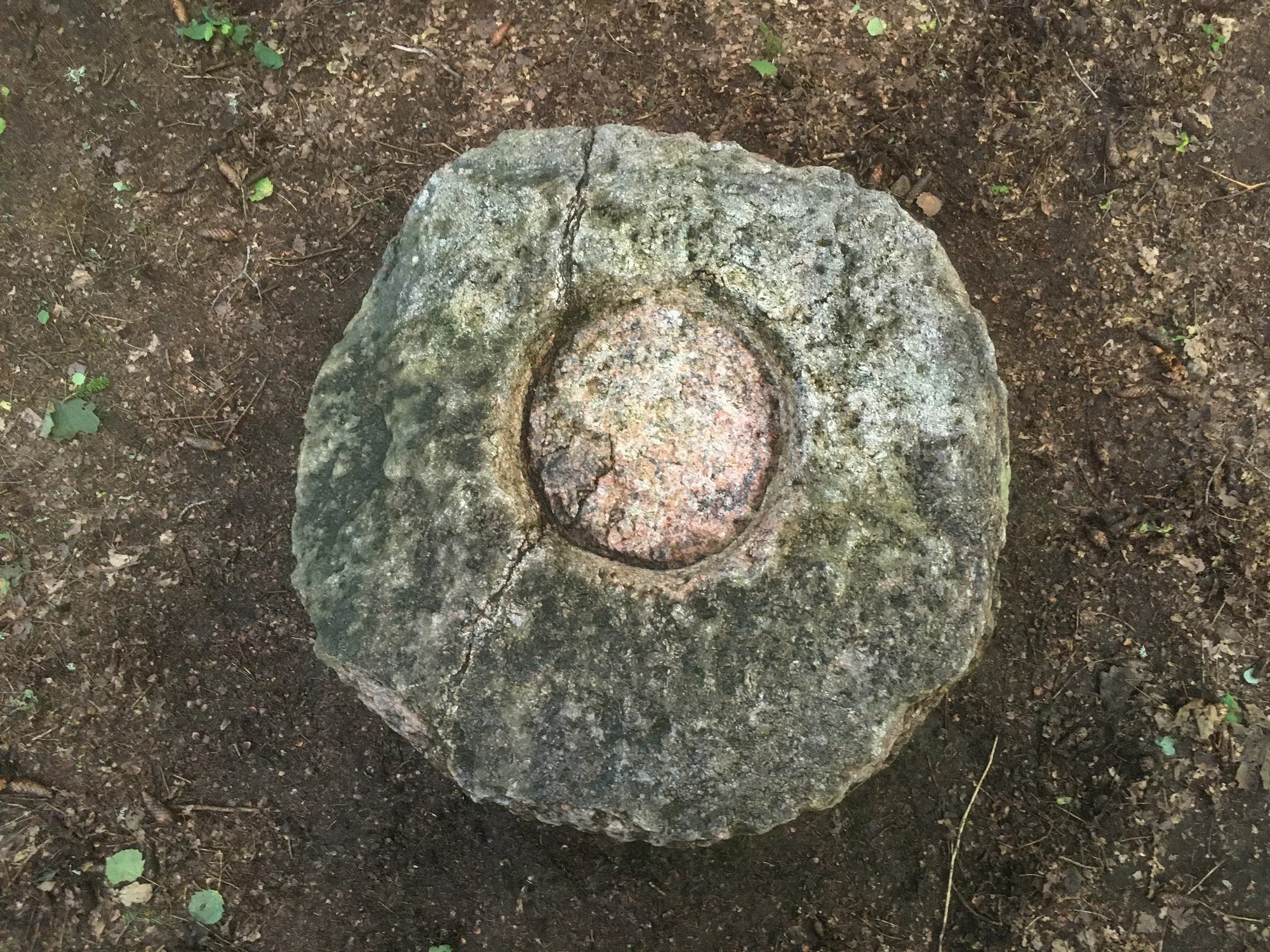
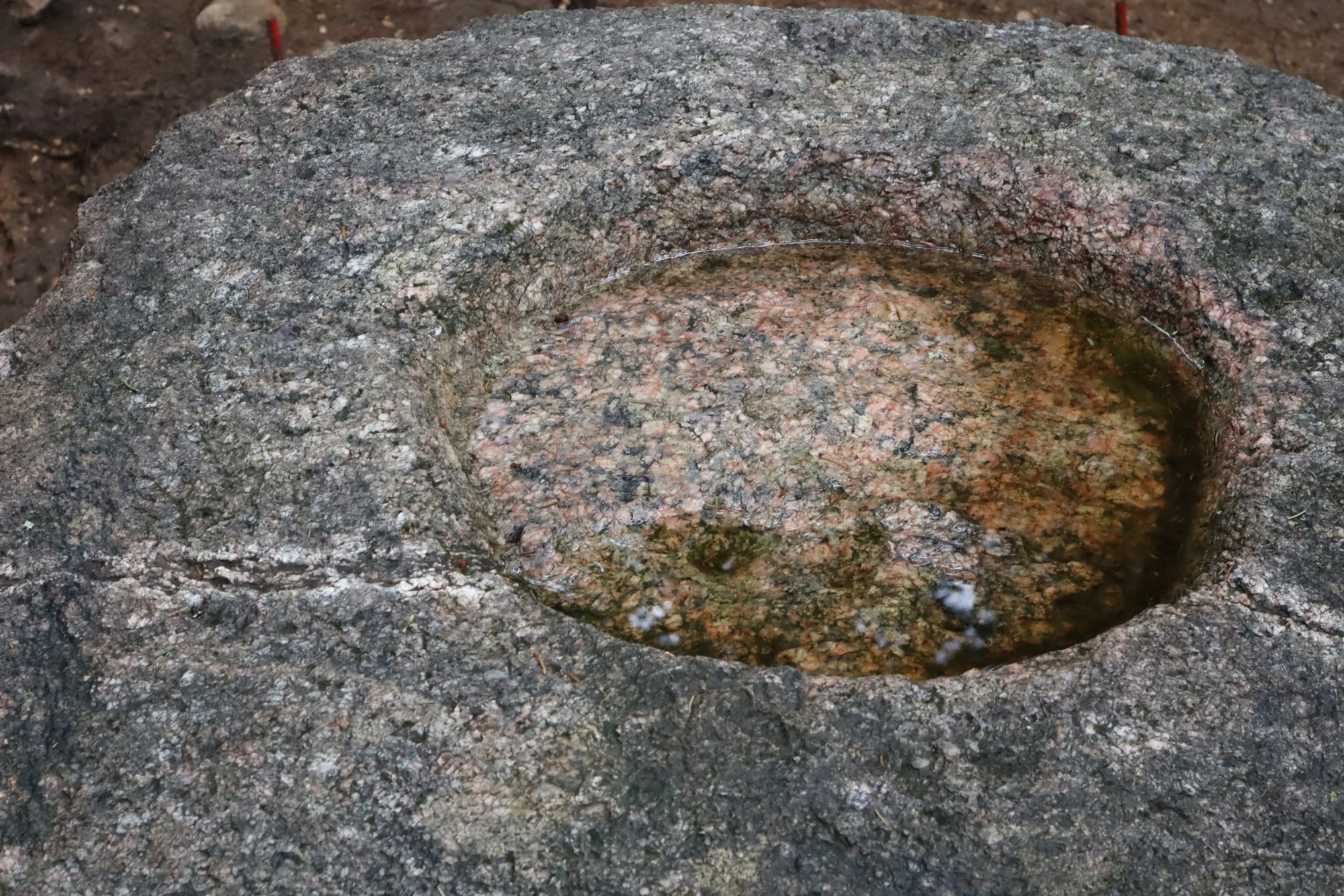
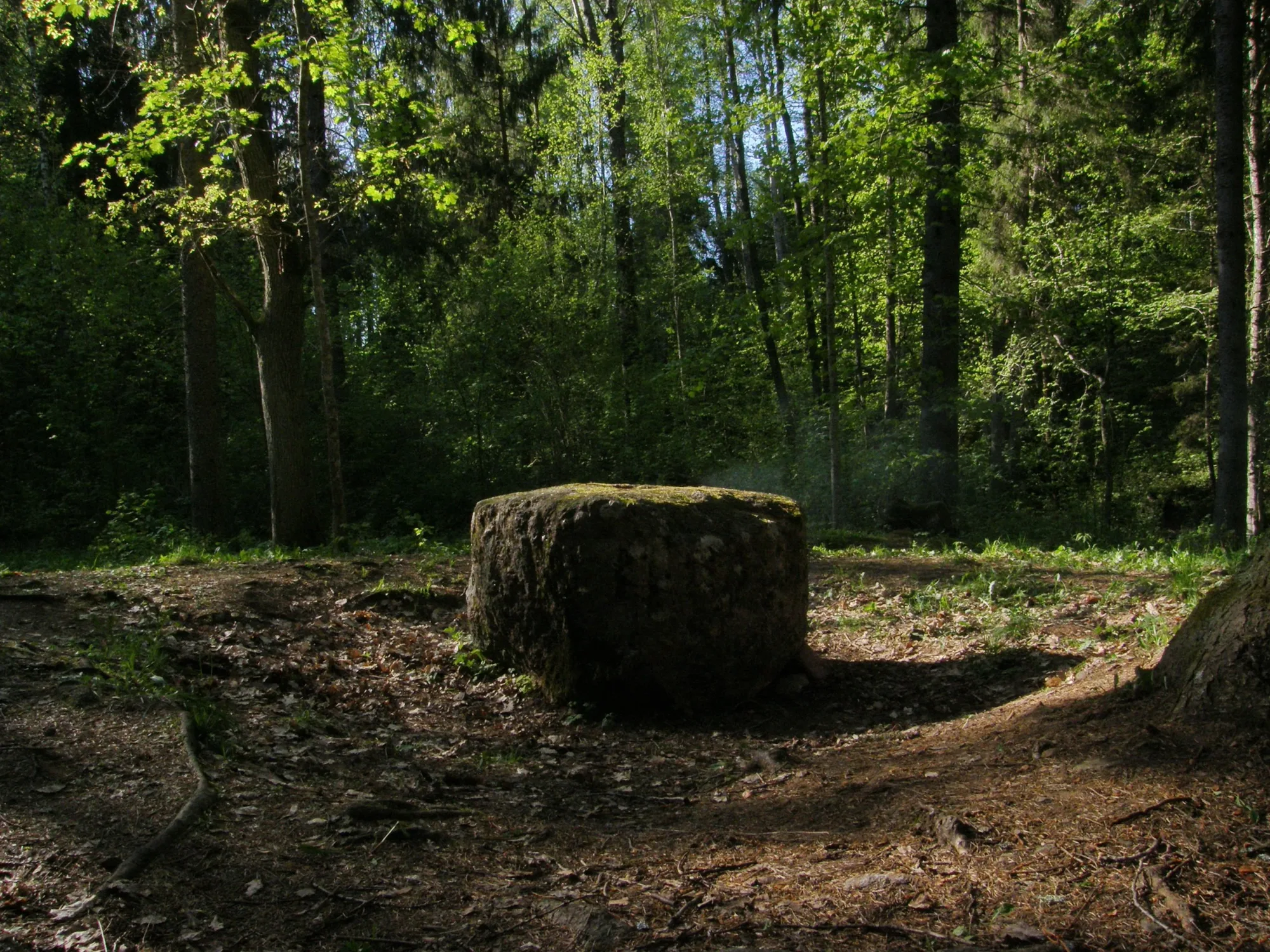
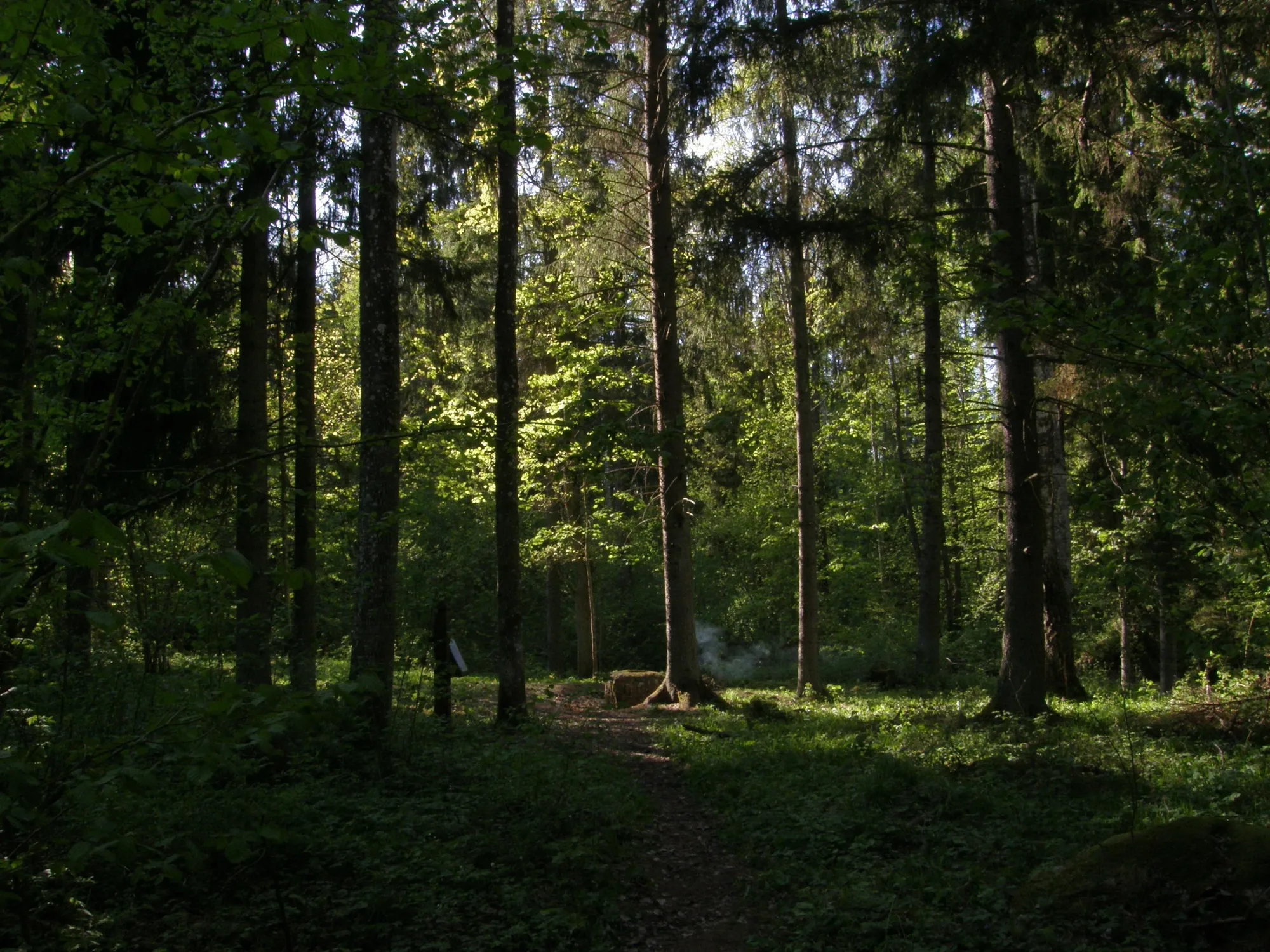
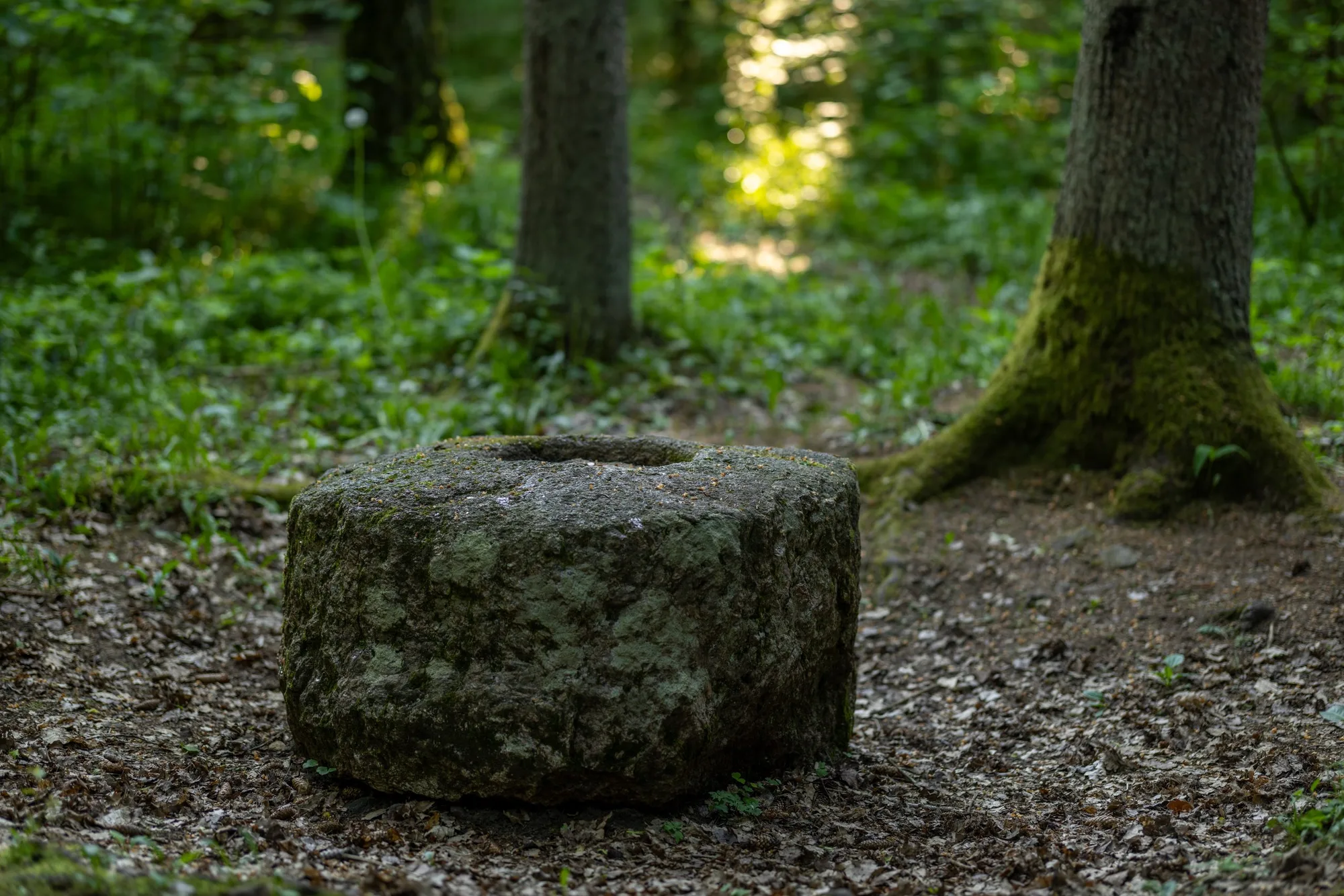
In the Lūžai Forest, in the hilly valley of the Šavaša River, lies a unique archaeological complex consisting of a hillfort dating back more than two millennia, a Selian burial ground dating from the 8th to the 12th centuries, and a cylindrical stone with a hollowed-out basin. This is likely the only site of its kind in the region where the ancient sacred complex has remained completely untouched by human economic activity. Today, more than 70 carved, cylindrical stones with flat-bottomed basins carved into their tops are known in Lithuania and Latvia. Most of these stones are found in northwestern Lithuania and Latvia—specifically, in the Latvian Curonian Spit—with slightly fewer in eastern Lithuania and Latgale, and only a few in central Lithuania. According to Prof. Dr. Vykintas Vaitkevičius, it is precisely this type of stone that is characteristic of the Curonian region, and they appeared in Lithuania around the middle of the 13th century, along with Curonian communities fleeing the aggression of the Order of the Sword Brothers (later the Livonian Order). About 250 meters north of the ceremonial stone stood the large Kaniūkai manor, established in the 17th century, on the site of the former village of Kaniūkai; the village’s name itself referred to a horse-breeding service that operated here from the 13th to the 16th centuries—in other words, one of the Lithuanian ruler’s equestrian estates. The ruler’s people gathered in such places, the nobility, and, according to Prof. Dr. Vykintas Vaitkevičius, it was precisely in areas associated with the ruler that Curonian communities—who had fled the Teutonic Order—were permitted to settle, who brought their customs and beliefs with them—beliefs for which no one persecuted them here. It is important to note that, contrary to a belief still prevalent in society, there is no evidence to suggest that the sacred fire could have been lit on ritual stones, regardless of their type. After all, fire severely damages stones, causing them to crumble, and in winter, as water and ice seep in, these cracks only grow larger. Archaeological data indicate that bonfires were lit in nearby fire pits, while the bowl-shaped stone itself was intended for rituals—perhaps the rainwater that naturally collected in the bowl was used for ritual or healing purposes. The site has been adapted for visitors; the Lūžų Stone can be reached by following the Sėlių Sacred Trail—a hiking trail connecting Baltic sacred sites. Photos by Marius Semaška and Prof. Vykintas Vaitkevičius