Description
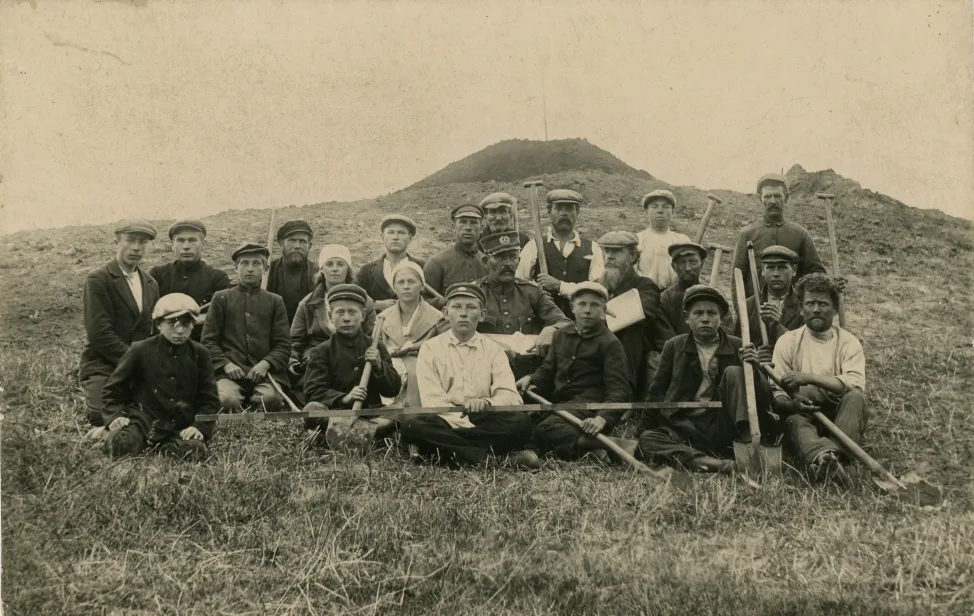
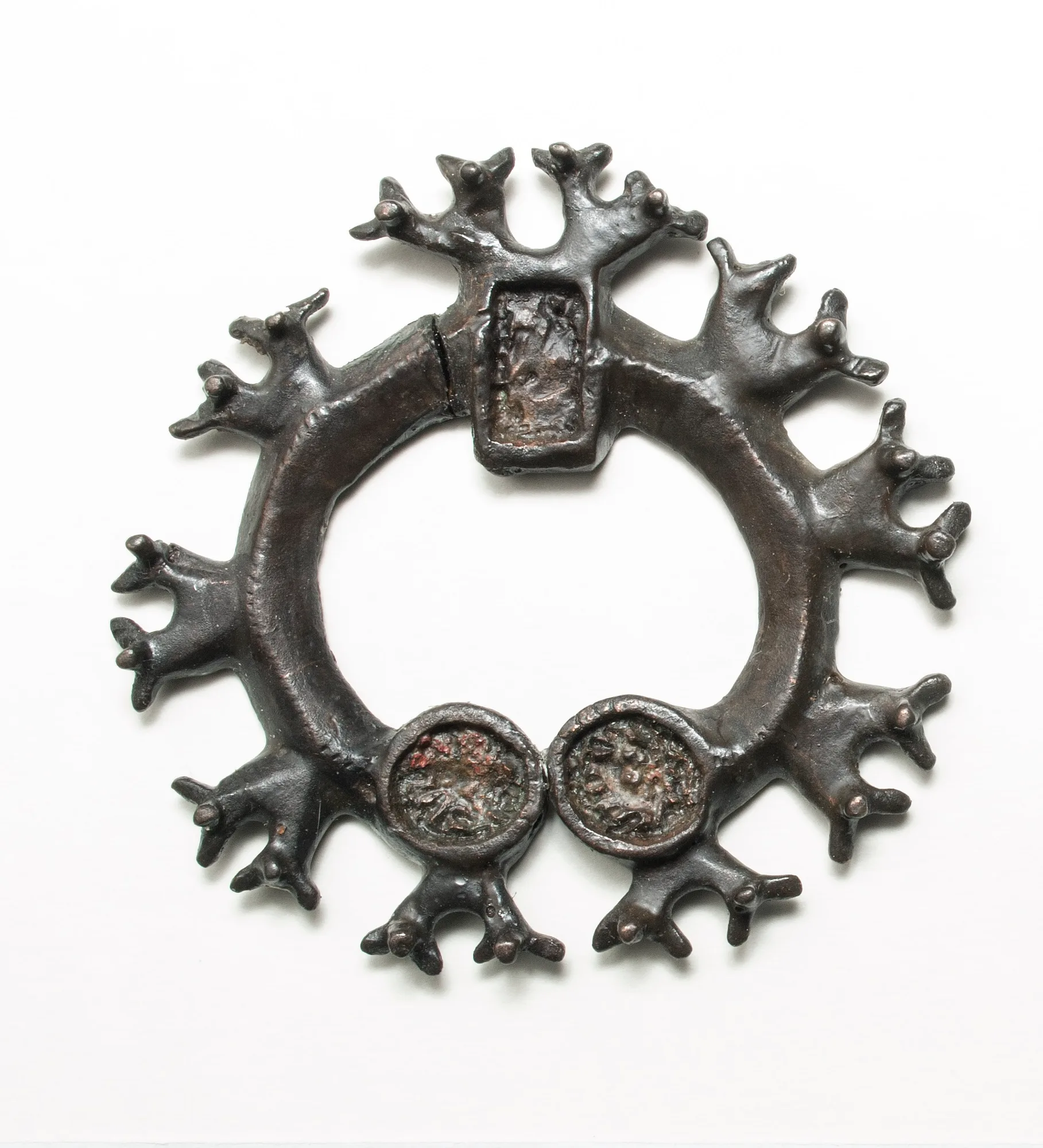
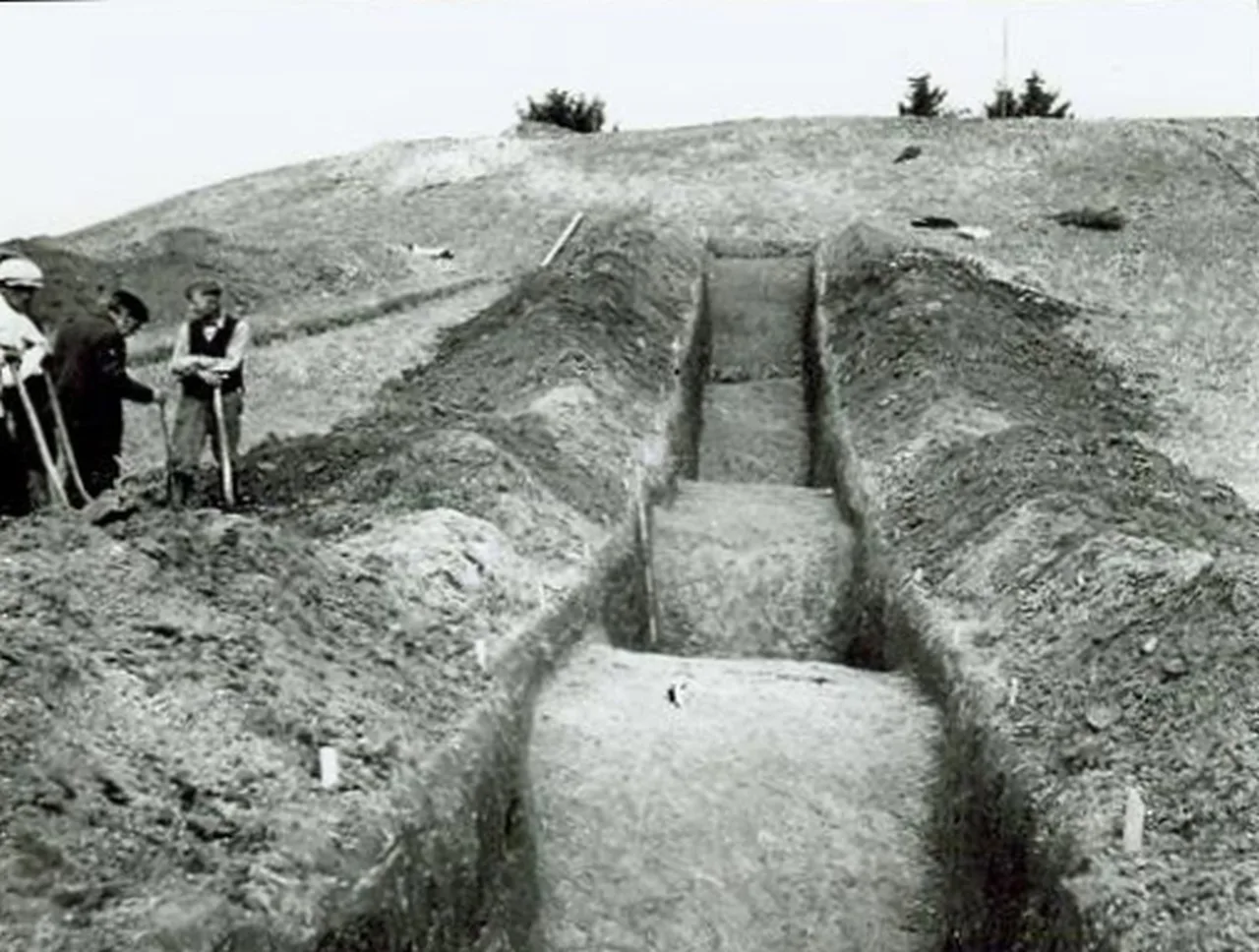
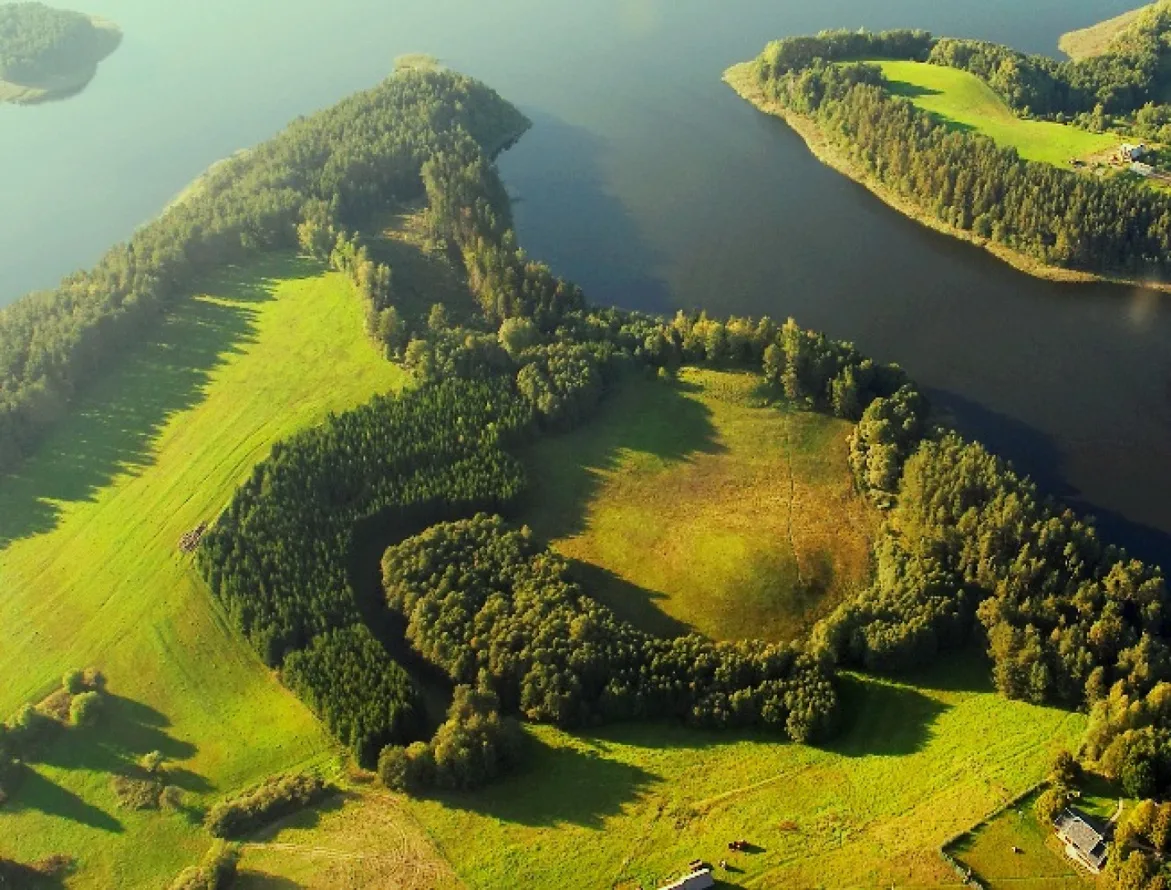
The Velikuškiai I hillfort, with a 1.5-hectare settlement, is situated on a separate hill on the southern shore of the Bradesiai (also known as Stintinė) Bay of Lake Sartai. The hillfort was surrounded by defensive fortifications and lines of ditches to the southwest and northeast, and by a marsh to the west, from which a small stream flowed. In 1933, the hillfort was explored by Petras Tarasenka, a retired colonel in the Lithuanian Army and an archaeologist. After examining an area of approximately 1,550 m 2 , a ring made of a copper alloy, a spiral ornament, a glass bead, a clay spindle whorl, ceramic shards with striated, smooth, and rough surfaces, and fragments of glazed pottery, as well as bone awls, needles, and pins, iron knives, knives, small sickles, stone sharpeners, spearheads, brass buckles, a fragment of a silver necklace, comb fittings, and a fishing hook. During the excavations, a large number of animal bones and charred grains were found, and a substantial collection of pottery shards was gathered. The finds discovered in the cultural layer of the hillfort, at a depth of about 80 cm, suggest that this hillfort, like many other hillforts in our region, was in use for a relatively long period—from the 1st millennium BCE all the way to the 13th century, the early period of Lithuanian statehood, until it was destroyed by attacking enemies. Evidence of the attack on Pilaitė comes from the skeletal remains of two men found collapsed on top of one another on the southern side of the site during excavations in 1933; these remains are dated to the 13th century.