Description
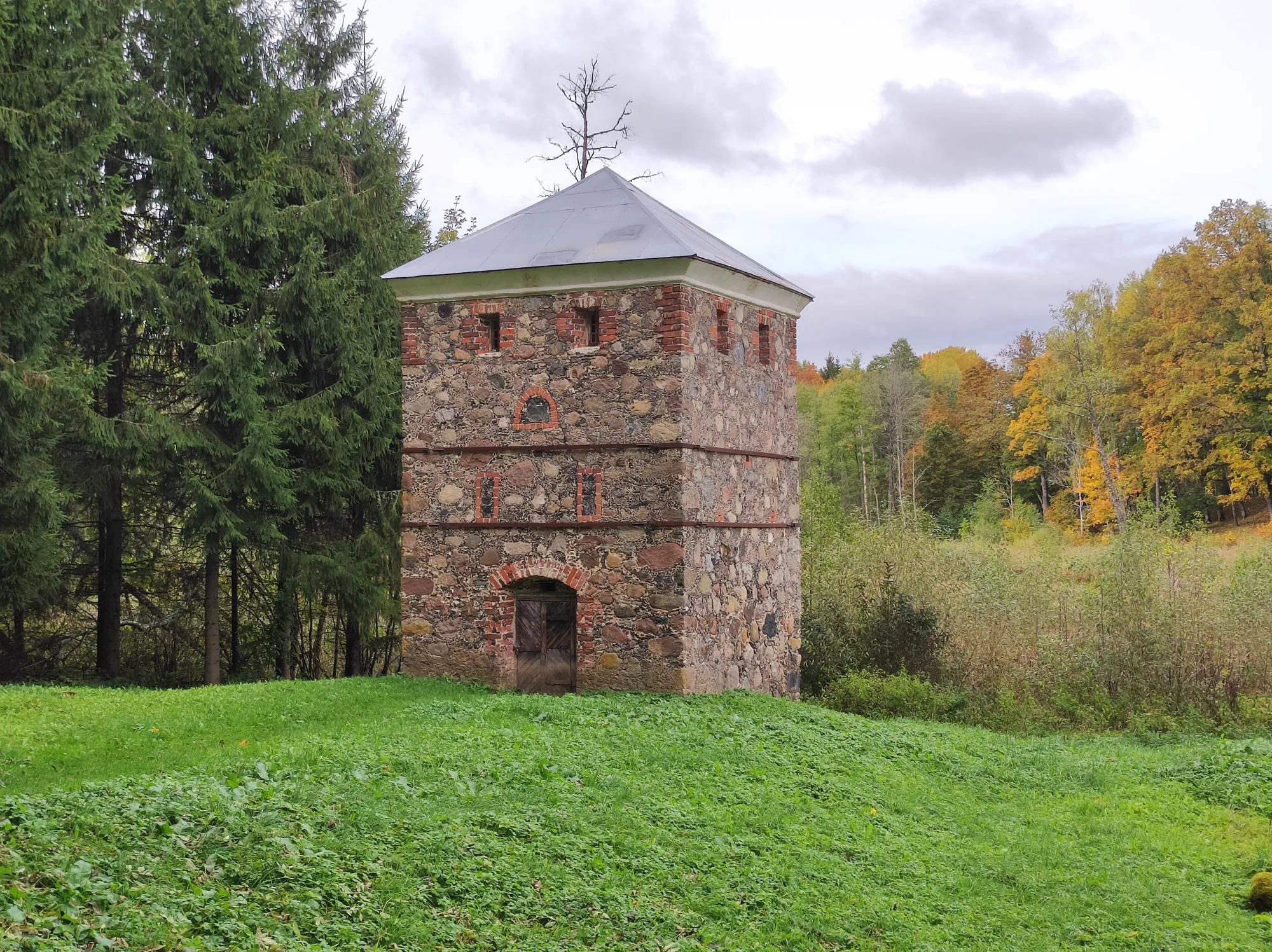
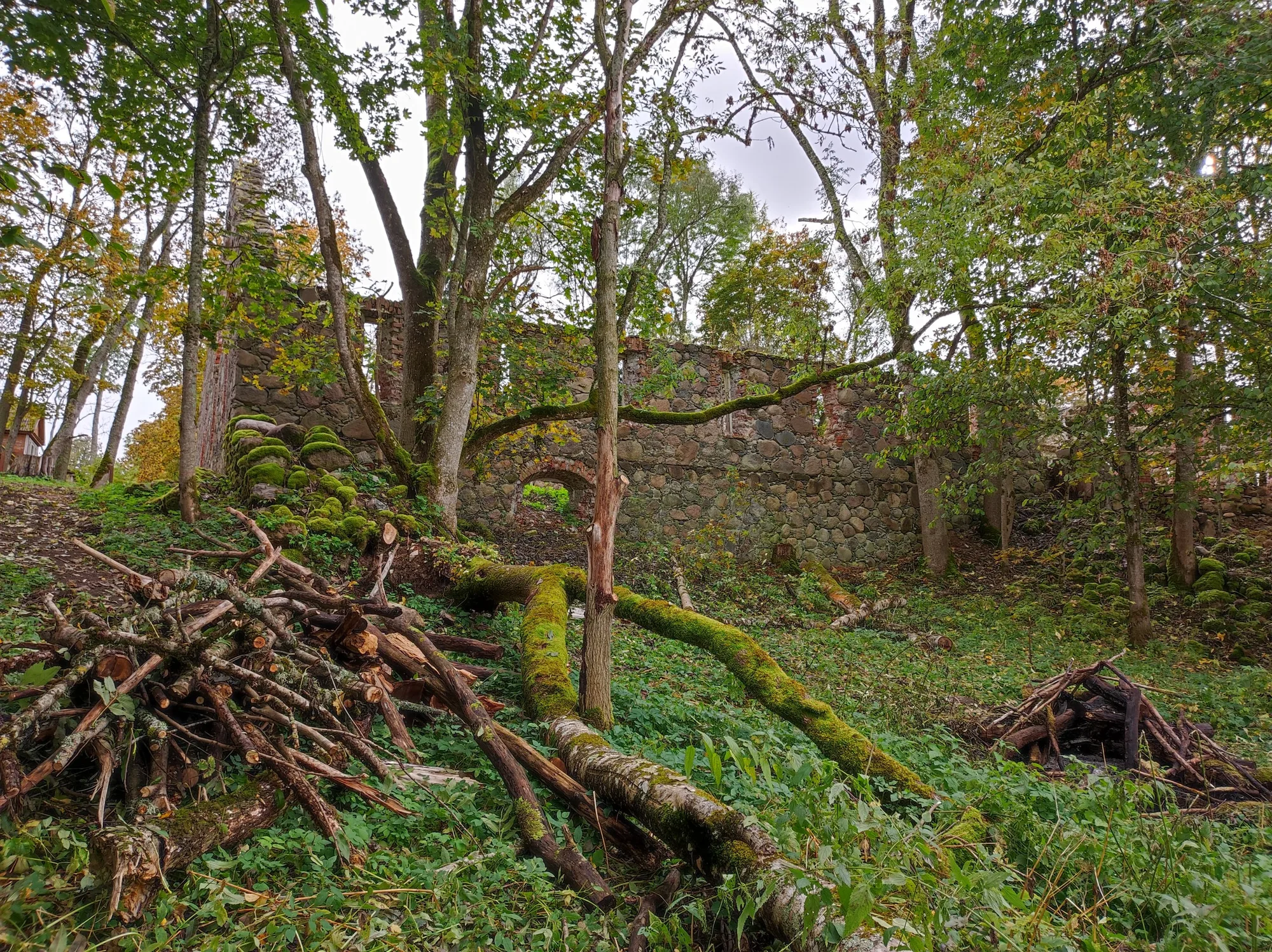
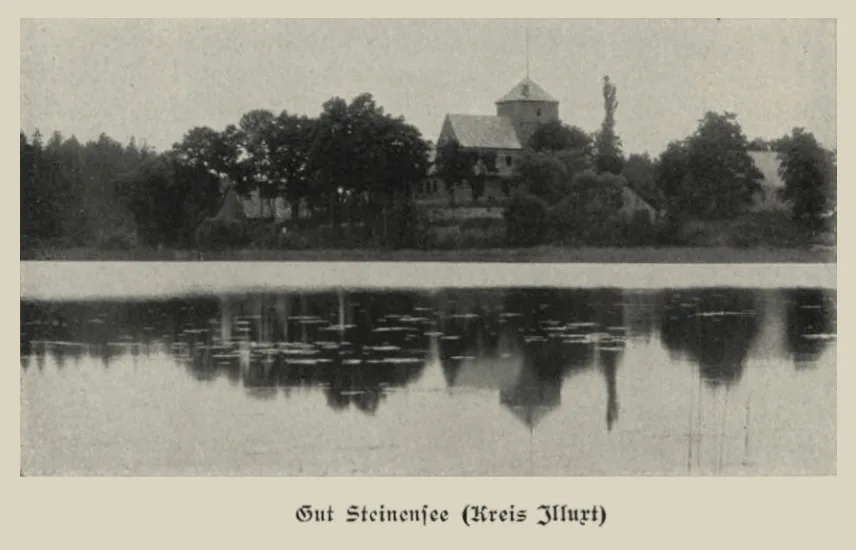
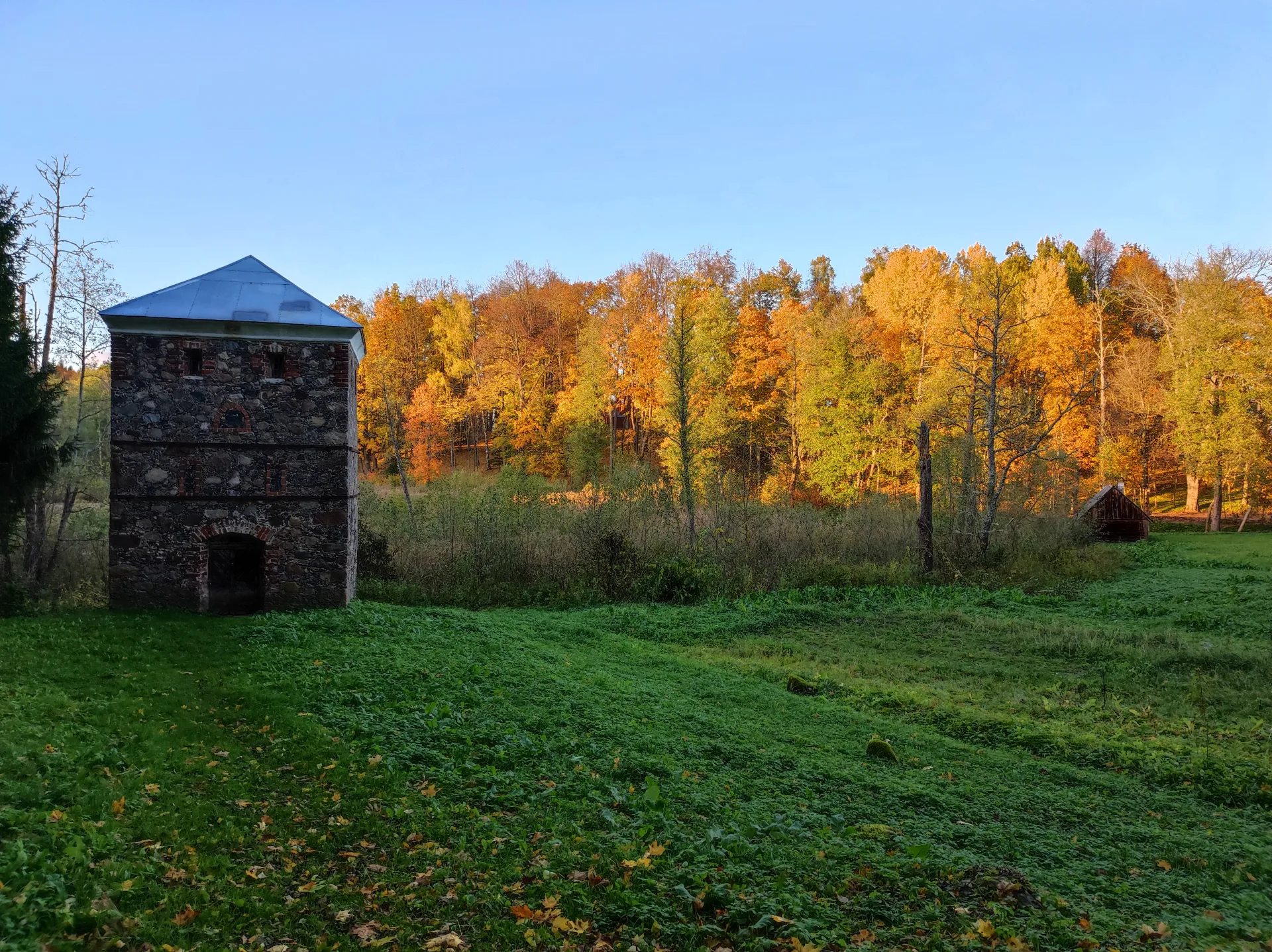
Located right on the border between Lithuania and Latvia, Stelmužė is famous not only for the oldest oak tree in Europe and its unique wooden church, but also for its rich, fortified manor dating back to the times of the Livonian Order, which was ruled at various times by representatives of influential Baltic German families—the von Berken, Folkerzamb, and Hahn families. Although the luxurious palace has not survived, the manor complex still features a tower and old farm buildings, and nearby stands a hill with the foundations of a castle that was once destroyed. Ever since Sėla was conquered by the Order of the Sword Brothers (later the Livonian Order), German knights settled here. They began calling Stelmužė “Štainenze” (German: Steinensee ). From the late 15th century to the early 16th century, the fief of Štainenze belonged to the Hahover family. After the death of the last representative of this family, Adam Hahover, in 1532, Walter von Pletenberg, Master of the Livonian Order, transferred the administration of this area by feudal right to Heinrich von Berken, captain of Dinaburg (Daugavpils) Castle. In the second half of the 16th century, the von Berken family built a wooden chapel here, which has been mentioned in historical sources since 1596. The chapel was served by a pastor of the Evangelical Lutheran Church of Egypt (now Latvia), and members of the landowning family were buried in the crypt beneath it. In 1709, Baron Gotthard Lorenz von Fölkersamb married Anna Elisabeth von Berken, and their sons, Karl Gustav and Gotthard Friedrich, took over the Štainenze Manor from the indebted landowner Karl von Berken at the turn of 1727–1728. Upon the death of Gotthard Friedrich Fölkersamb in 1765, his estates were inherited by his son Johann Reinhold (1763–1830), but when he died in 1830 without leaving any male heirs, the estate passed to his brother from his father’s second marriage—Georg Friedrich (1764–1848). According to records from 1830, the estate comprised thirty buildings, including a palace with a library containing 273 books, wine cellars, and a chapel—which is mentioned as having been transferred to the Roman Catholic Church in Ilūkste in the early 19th century. The cultural life of the manor is also evidenced by the musical instruments found in the palace: a piano, a standing harp, five guitars, and a violin. The estate, spanning more than 2,000 hectares, included the Blocksfeld (now Bliokmanto), Johannishof (now Jancavos), Kamuntiškis, and Neuhof (now Neiguvos) hamlets, four orchards, four rivers, and seven lakes. The manor owned five taverns: Padvarinė, Paupinė, Pavidinė, Pagrendzinė, and Skubinė. One of them, Padvarinė, was located within the manor grounds themselves, near Lake Padvarinis or Lake Štainenzė. Baron Georg Friedrich von Fölkersamb was arguably the most prominent member of the family and a highly educated man. It is known that he was born in 1764 and grew up at the Štainenzė estate, where he received his primary education; he continued his studies at the Mintauja Gymnasium and attended lectures at the University of Göttingen from 1786 to 1789. He cared not only for his own well-being but also for the peasants living on his lands—he built houses for them, supported their education, planted fruit orchards, and encouraged them to engage in business. The landowner died in Riga in 1848 and was buried in Stelmužė. The estate began to decline as early as the end of the 19th century, when it was ravaged by fires in 1890 and 1900. The old manor house was gone, and the newly built residential buildings for the lords no longer reflected the grandeur of the past. There was apparently little need to build a new palace, as the main line of the Fölkersamb family, who had ruled the estate, was dying out. In 1918, after Lithuania and Latvia declared independence and drove out the Bolsheviks, border issues began to be resolved, and under the 1921 treaty, Stelmužė became part of Lithuania. Vadim von Fölkersamb, who died in 1924, was buried in Stelmužė according to Orthodox rites, and the manor, as agreed, was inherited by his nephew, Baron Herbert von Hahn. He lived in Riga or at his Neo-Gothic palace in Alt-Salensee (now Červonka, Latvia), so he rarely visited Stelmužė, and the manor had already fallen into disrepair. Trustees managed the estate’s affairs, and after the Land Reform, the remaining 80 hectares of land began to be sold off in parcels. At the end of 1937, Herbert von Hahn sold the central part of the Stelmužė estate to the Zarasai County municipality and left with his family for Western Europe, and later for Canada. The very next year, work began on converting the former manor office into a school, and the area around the Stelmužė Oak was landscaped and developed for tourism. By 1940, when the Soviets occupied Lithuania, Stelmužė had already ceased to exist as a manor and was not even included on the lists of manors to be nationalized. The Repšiai family, local farmers who had purchased land from the Hahns and managed to make a living there, were exiled to Siberia, and the manor complex fell into severe disrepair. Some of the buildings and ruins of the Stelmužė manor complex are located on private property.