Description
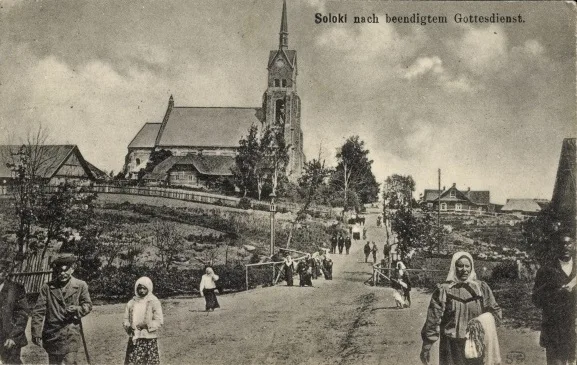
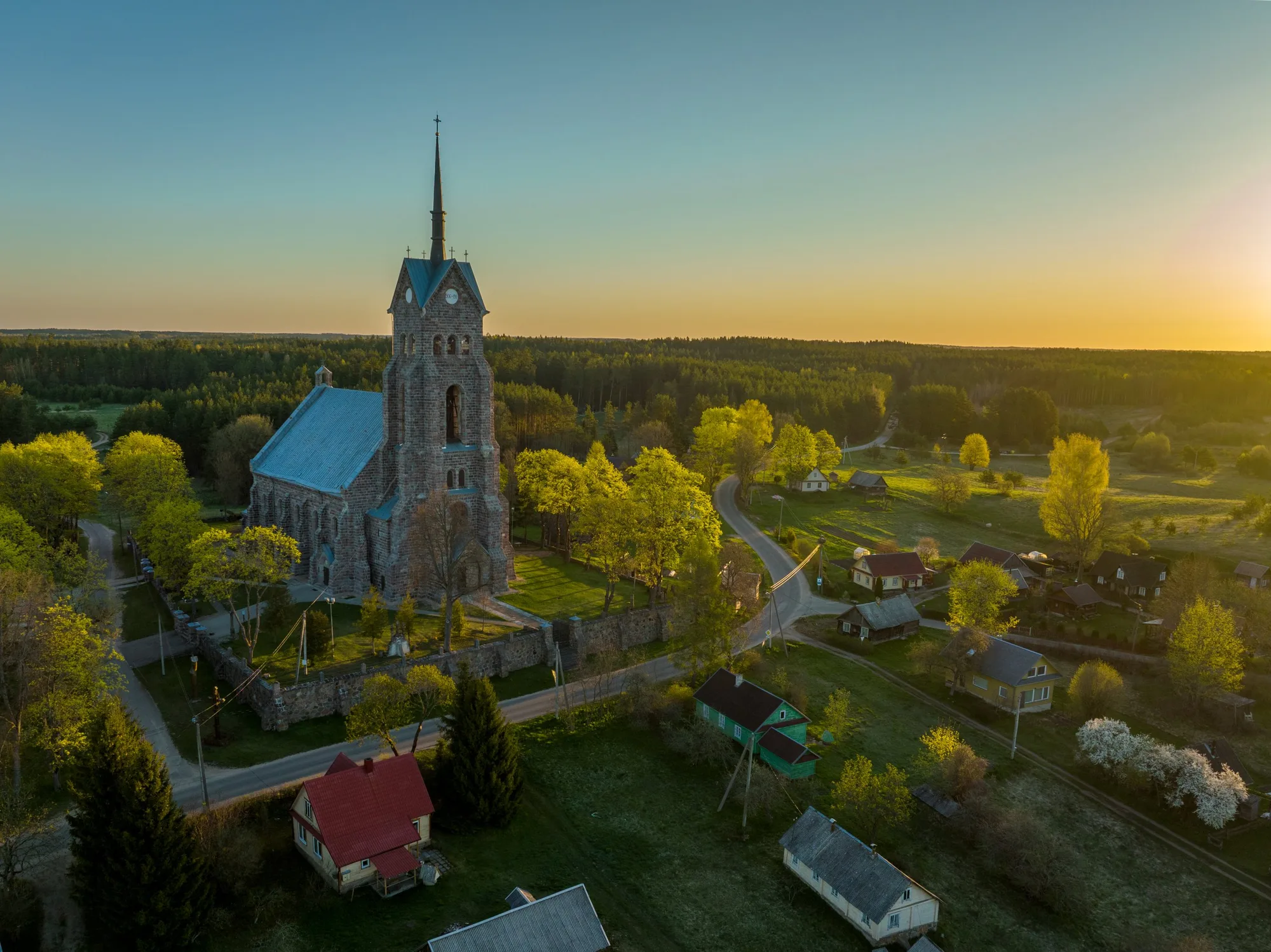
Salakas is one of the oldest local centers in this region. The origins of Salakas are linked to the nearby hillfort and the settlement at its foot. It is believed that by the end of the 14th century—and in the first half of the 15th century—the Salakas parish, including the town itself, had already been divided into several parts: the northwestern part of the Salakas parish had been assigned by the ruler to the estate of the Bishop of Vilnius (for the maintenance of the diocese), the southeastern part belonged to the Petkevičius family, lords of the Luodžiai Manor, while Lake Luodžis itself belonged to the Daugėliškis Eldership. The first known mention of the town of Salakas is a document dated March 18, 1496, in which Lord Mikalojus Petkevičius donated three peasants for the upkeep of St. Peter’s Church in Salakas: Jackas Vilesavičius, Milis Kuraitis, and Miknis Vilnutis. However, the Salakas church mentioned here was destroyed and rebuilt several times over the centuries. Finally, after the fire that ravaged the town of Salakas in 1905, it was decided, on the initiative of Pastor A. Kryžanauskas, to build a church that could withstand all adversities. The townspeople began building the new church—in the Neo-Romantic style with Neo-Gothic features—as early as 1906, based on a design by Riga architect Ignacijus Morgulcas.However, before construction was even halfway complete, it became clear that such a church could not be built on donations from parishioners alone; therefore, additional funds were raised throughout the Diocese of Samogitia, and Lithuanians living abroad also contributed to the construction. Completed in 1911, the Salakas Church was consecrated under the title of the Blessed Virgin Mary of Sorrows and is today the tallest (72 m) and largest stone church in Lithuania; its tower, soaring toward the sky, greets visitors from afar and captivates them with its grandeur. By contacting the parish priest or a cultural historian at Gražutė Regional Park in advance, you can enter the church and even climb the tower. A 1-hour tour of the church (including the option to visit the tower) costs 12 euros when booked through a Gražutė Regional Park guide. Photo by Marius Semaška