Description
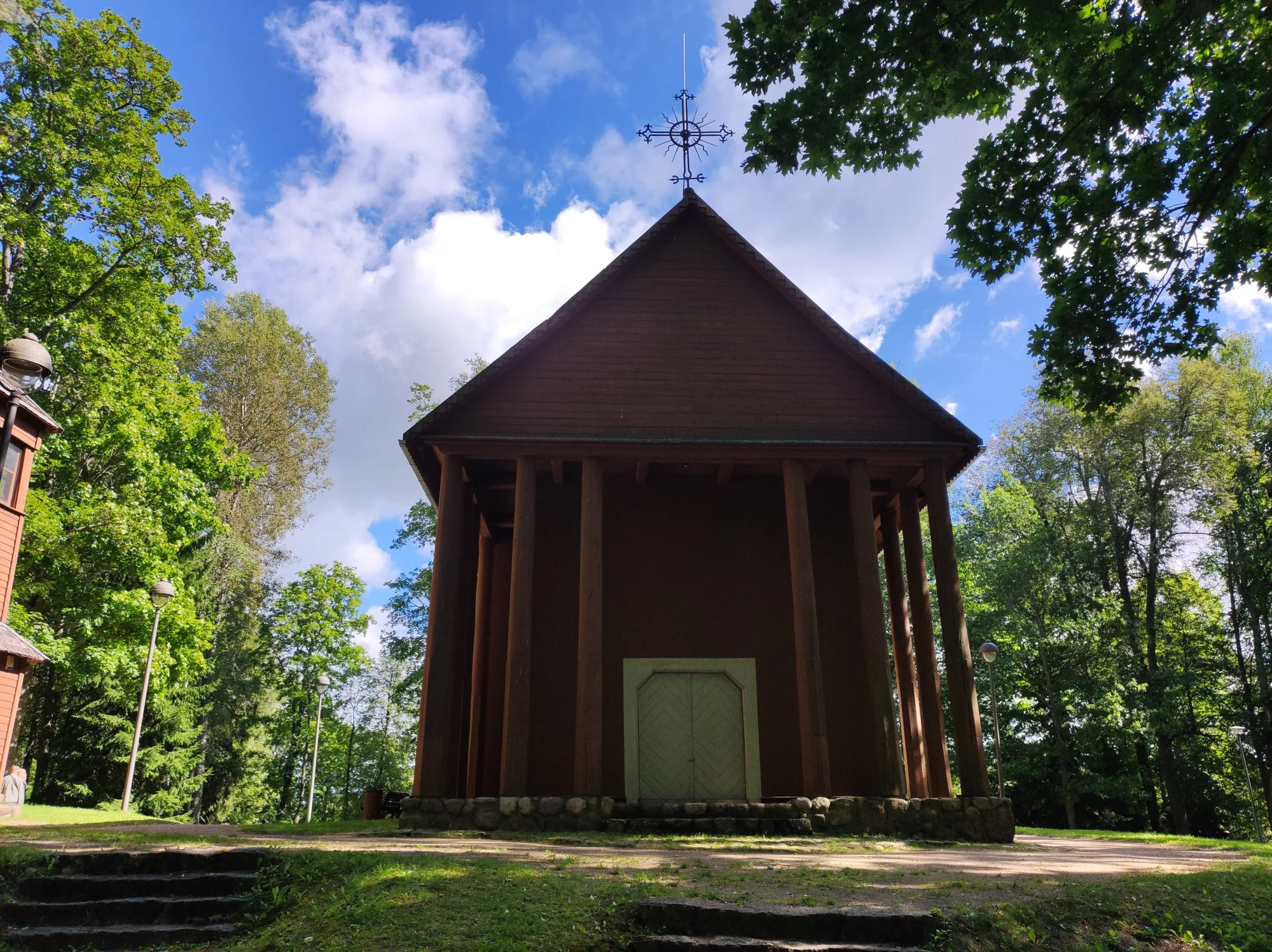
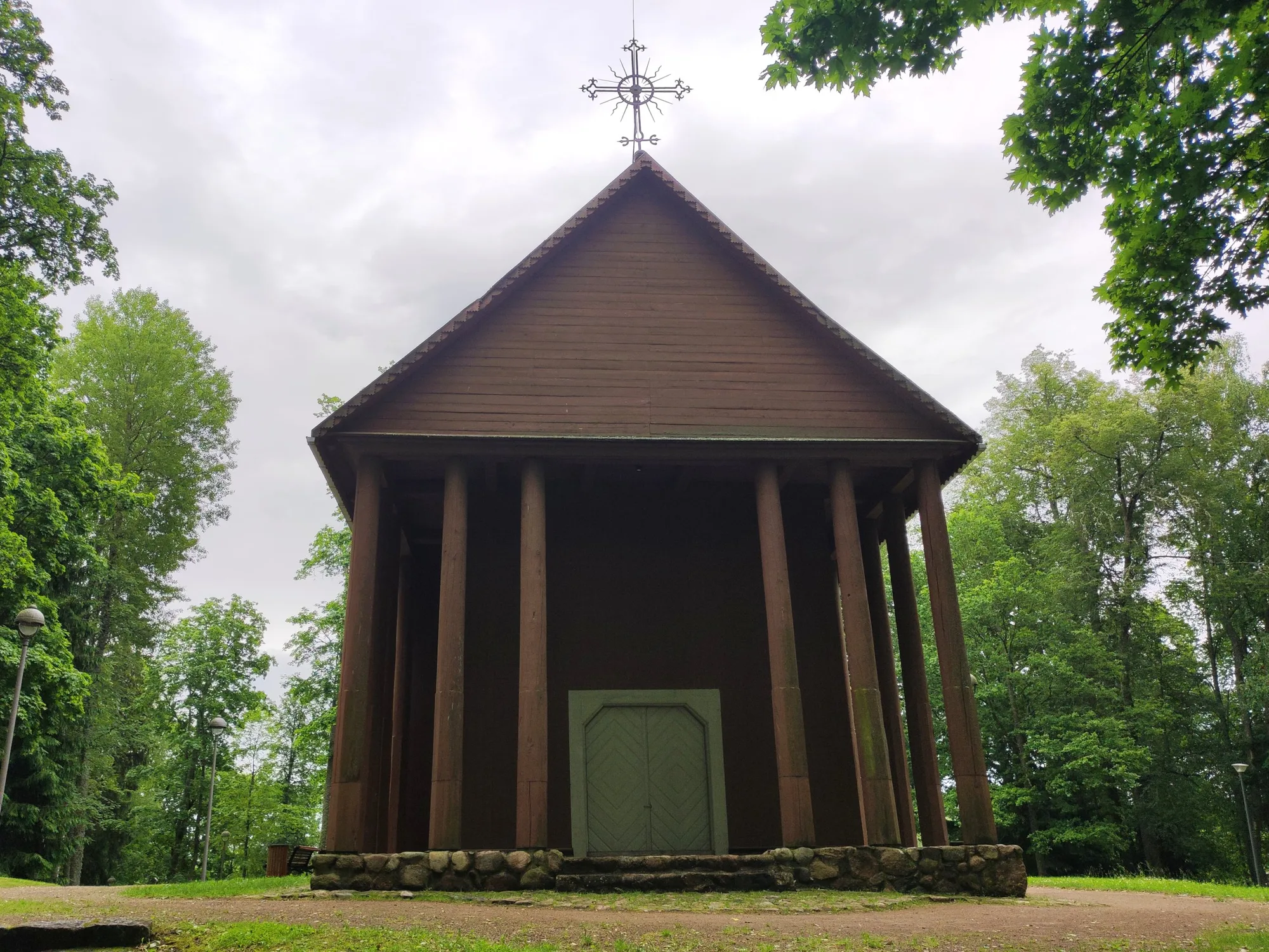
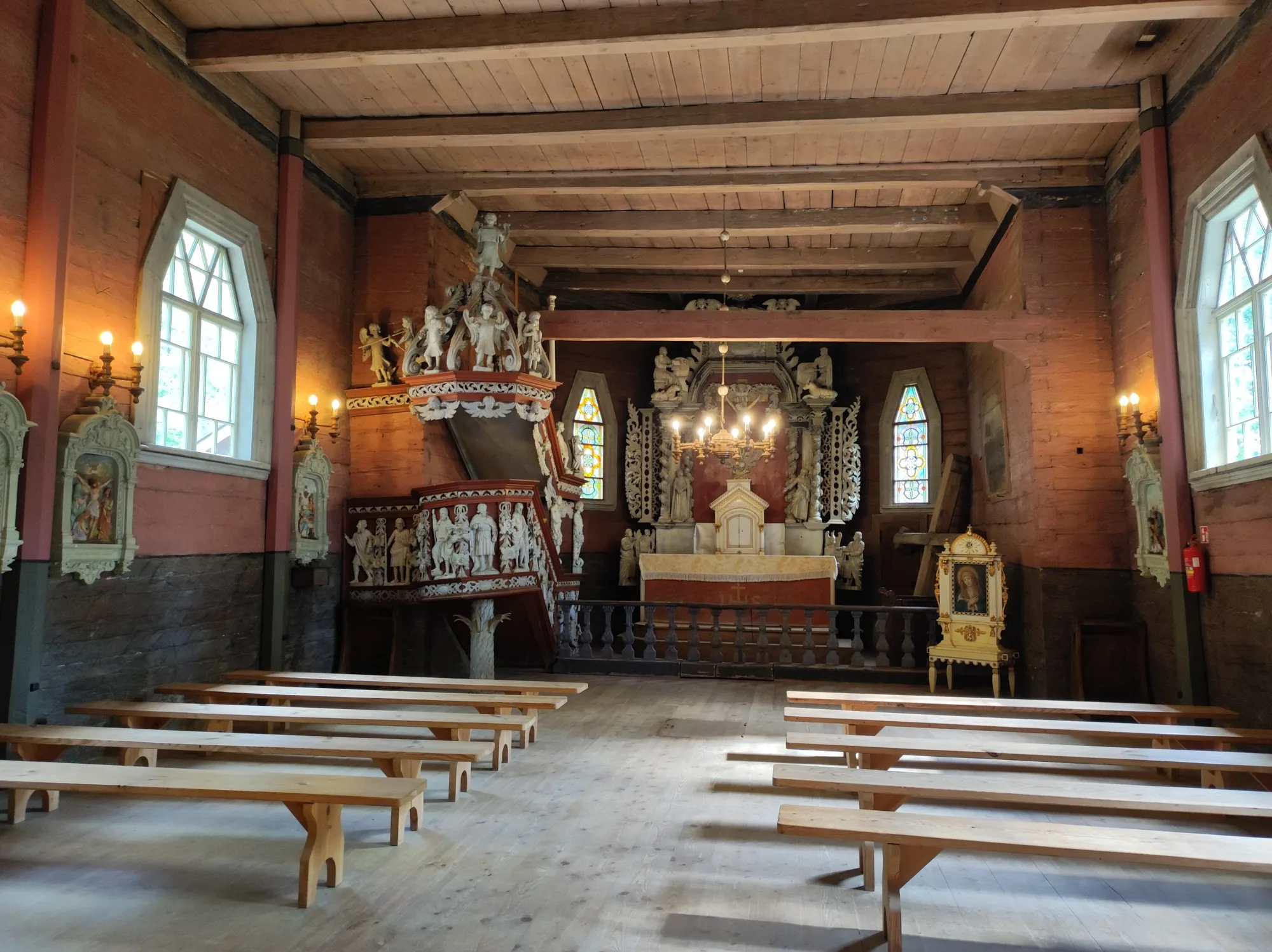
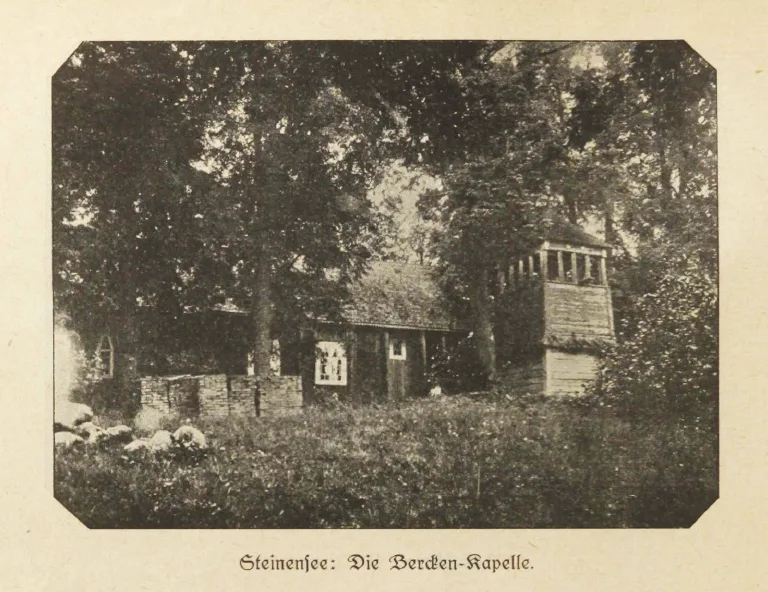
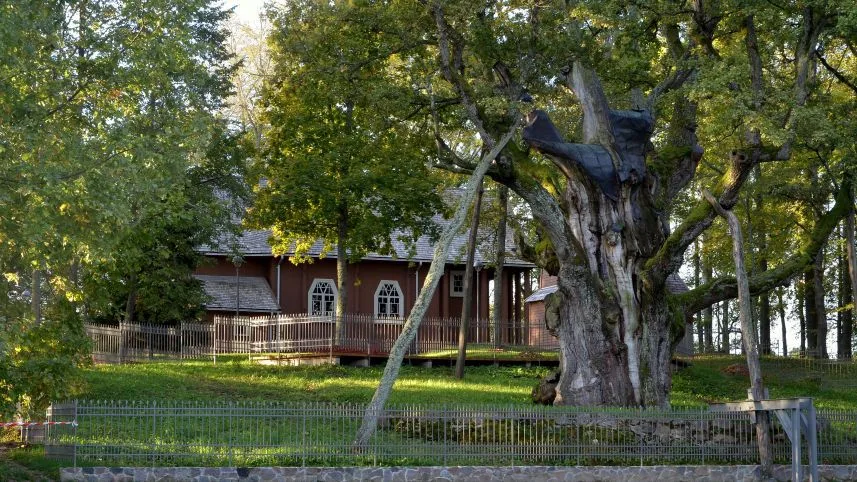
Stelmužė, located in the Zarasai District right on the border between Lithuania and Latvia, is famous not only for its oldest oak tree but also for its unique wooden church. It is generally believed to be the oldest monument of wooden architecture in Lithuania. After Sėla was conquered by the Order of the Sword Brothers (later the Livonian Order), German knights settled here. They began calling Stelmužė “Štainenze” (German: Steinensee ). From the late 15th century to the early 16th century, the fief of Štainenze belonged to the Hahover family. Following the death of the family’s last representative, Adam Hahover, in 1532, Walter von Pletenberg, Master of the Livonian Order, transferred the administration of this area by feudal right to Heinrich von Berken, captain of Dinaburg (Daugavpils) Castle. In the second half of the 16th century, the von Berken family built a wooden chapel here, which has been mentioned in historical sources since 1596. The chapel was served by a pastor from the Evangelical Lutheran Church of Egypt (now Latvia), and members of the landowning family were buried in the crypt beneath it. It is likely that in the first half of the 17th century, a new wooden chapel was built on the site of the old von Berken chapel, which still stands today. In 1713, the chapel’s interior was uniquely redesigned, featuring numerous valuable Baroque-style decorations: bas-reliefs, high reliefs, sculptures, spiral columns, and original wooden ornamentation. In 1808, the chapel was transferred to the Roman Catholic parish church of Ilūkste (Alūkste) and became its branch. In 1918, after Lithuania and Latvia declared independence and drove out the Bolsheviks, border issues began to be resolved, and under the 1921 treaty, Stelmužė became part of Lithuania. Around that time, the Stelmužė Chapel was assigned to the Imbradas Parish Church and was consecrated under the title of the Holy Cross of the Lord Jesus in Stelmužė. Until the outbreak of World War II, the old bells, cast in 1613, continued to ring here, but they have not survived. In the summer of 2024, on the initiative of collector Ramutis Petniūnas, a new bell—cast in Riga in 1889 in Riga, was hung in the bell tower of the Stelmužė Church, and it rings every day at noon. Prices: Adult ticket (per person) – 1.50 EUR; Student, schoolchild, or senior citizen ticket (per person) – 0.50 EUR