Description
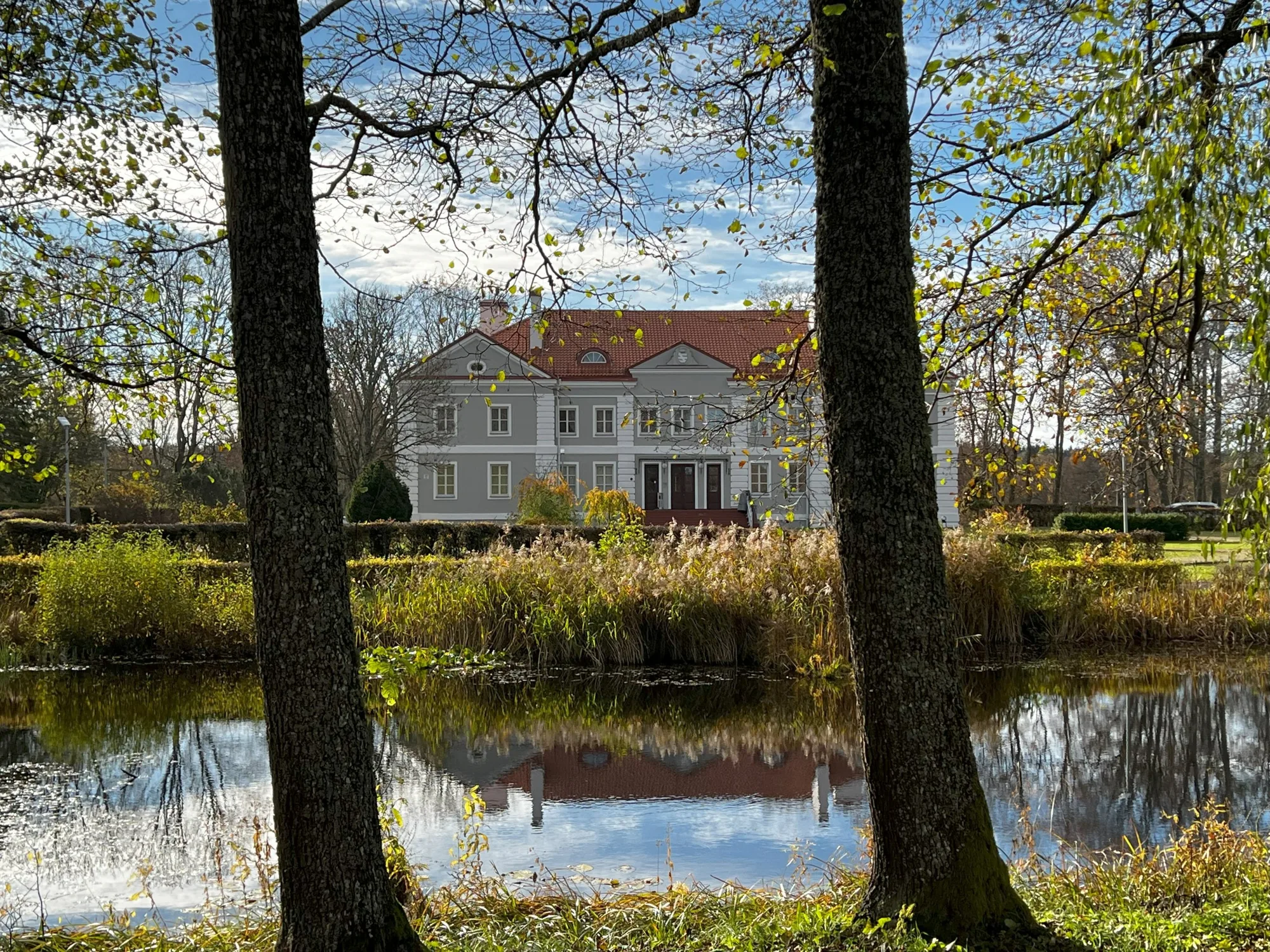
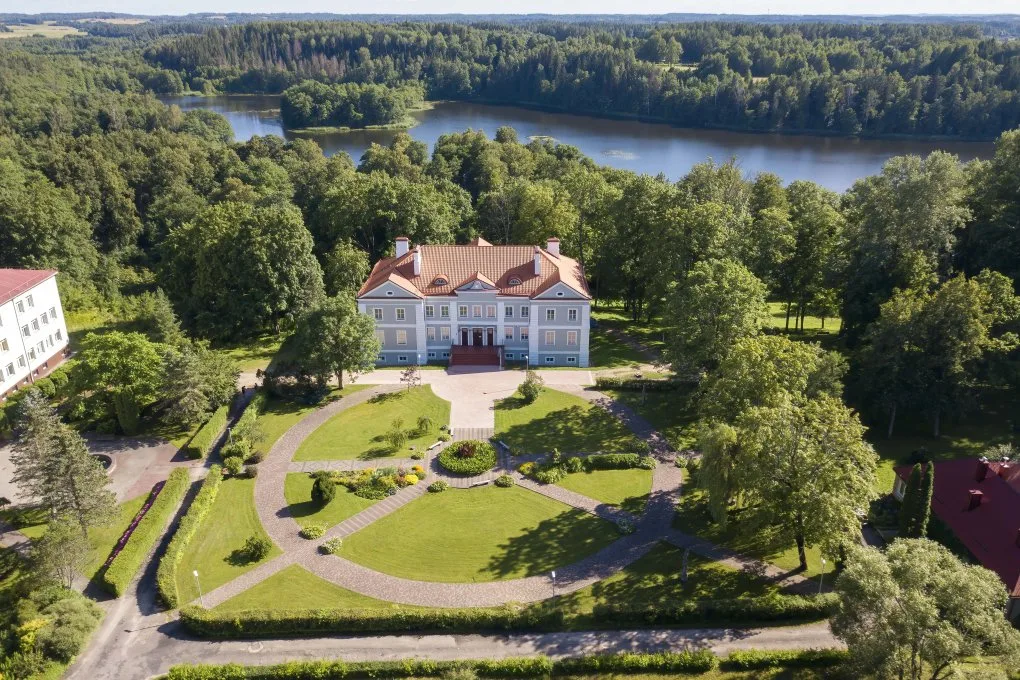
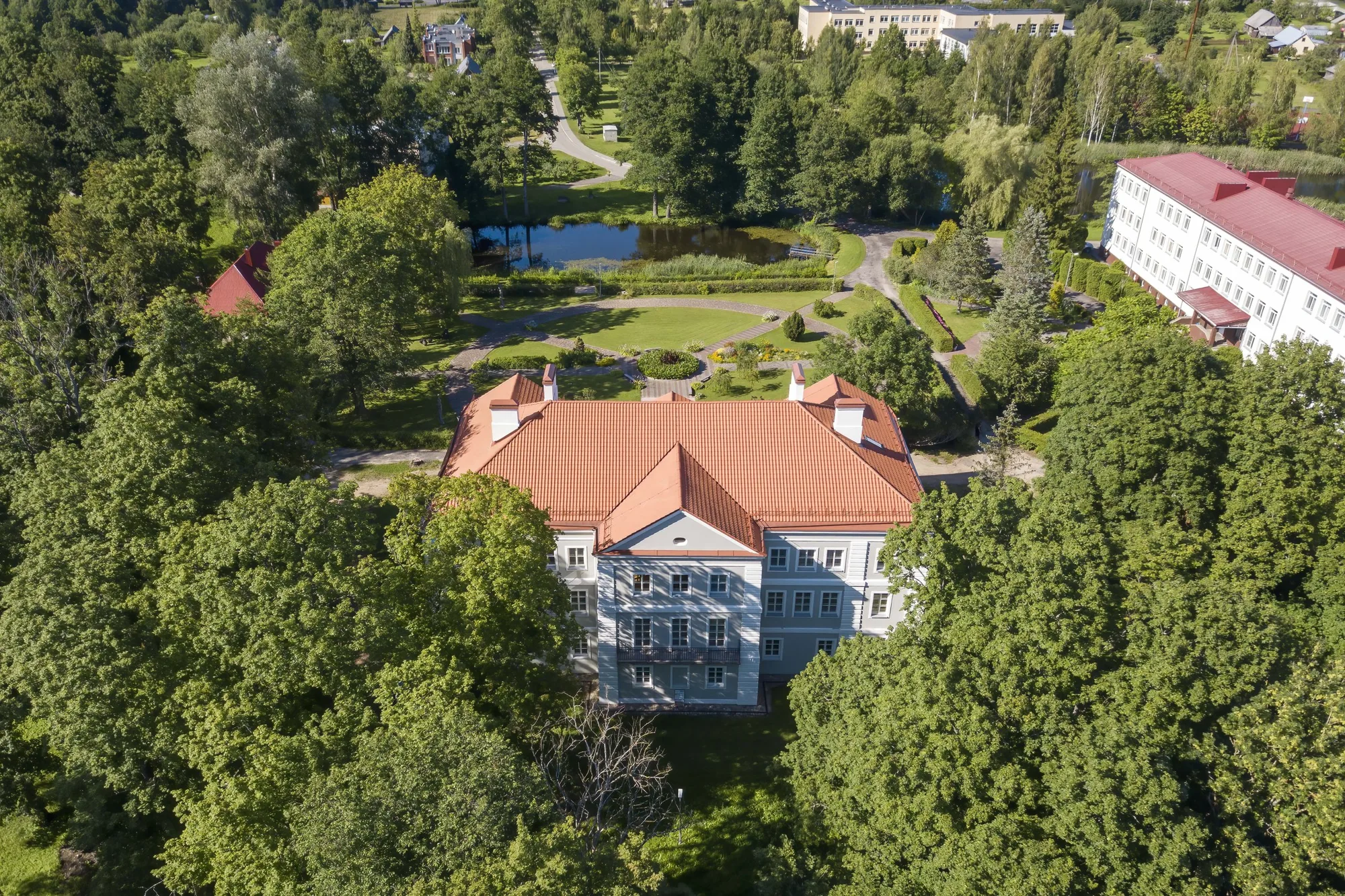
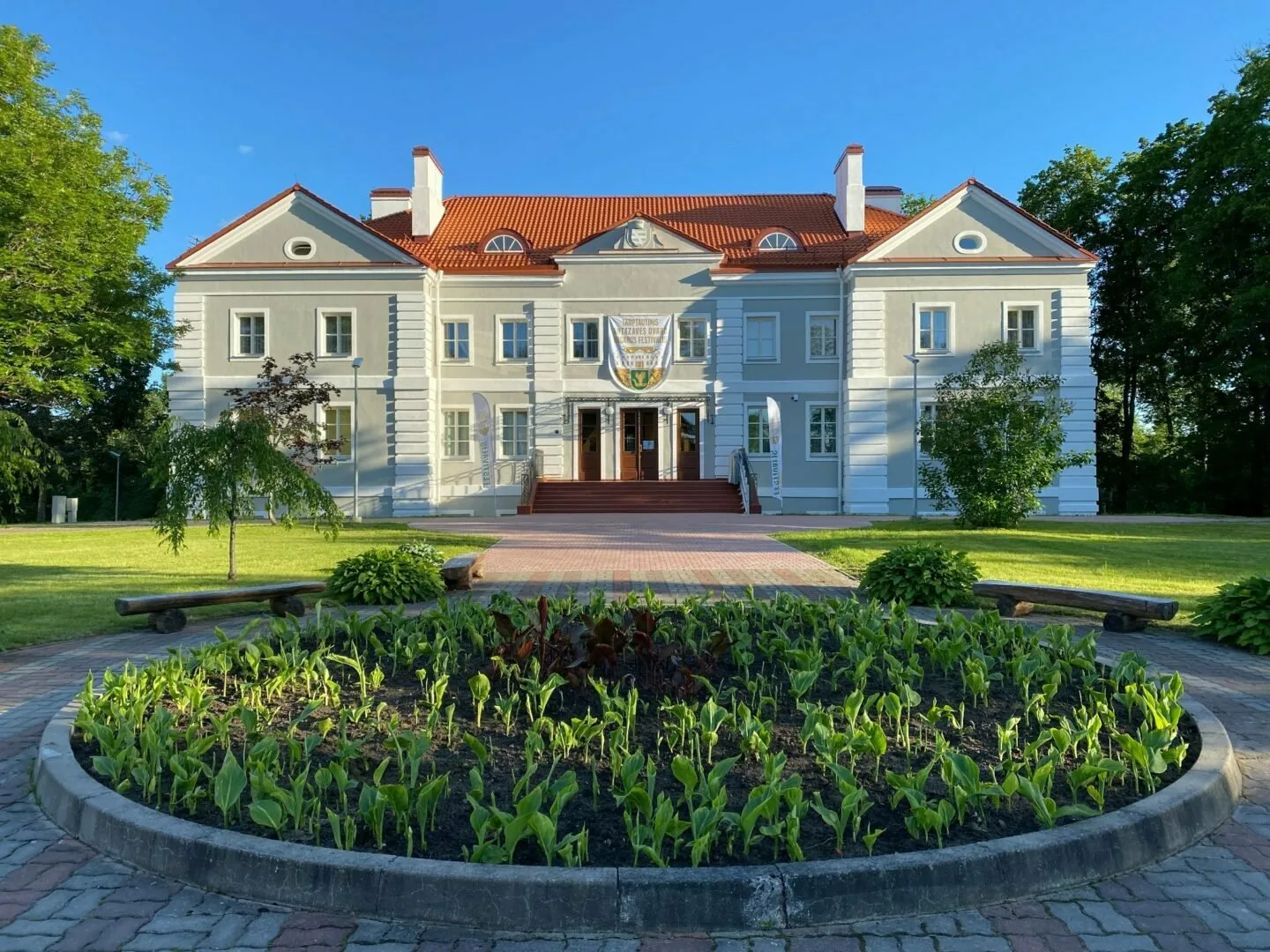
Antazavė is an old manor site dating back to the times of the Grand Duchy of Lithuania. According to a 1587 description of the estates of the Dusetos manor, owned by the Rudamina-Dusetiškis family, there was a village here which people called Zalvė (Zalva), like the nearby lake. At the beginning of the 17th century the Rudamina-Dusetiškis family established a folwark (a separate farming unit) here called Antazalvė, and somewhat later the place became known as Antazavė. In 1686, Antazavė and Dusetos were acquired by Count Jonas Andrius Pliateris (c. 1626–1696), elder of Dinaburg and Livonia, and his wife Liudvika Marija von Grotthus. From then until the mid-19th century the estate belonged to the Pliateris (Plater) family. The Neoclassical manor house of Antazavė was built at the end of the 18th century, commissioned by Countess Kunigunda Valavičiūtė-Pliaterienė (1760–1846). In 1794, on her initiative, a church was built and a parish founded here; a rectory, an almshouse and a tavern were also built, and a road linking the manor house and the church was laid. Interestingly, the famous heroine of the 1831 uprising, Emilija Pliaterytė (Emilia Plater), daughter of Count Pranciškus Ksaveras Pliateris of Antazavė and Countess Ana von Mohl of Imbradas, signed a declaration in this manor on 25 March 1831 announcing that she was joining the insurgents. The last owner of the manor was Elžbieta Pranciška Ropaitė-Voinarovska. After the Soviet occupation of Lithuania she was deported to Siberia. After the war the manor house was used as a children's home and boarding school; it was ransacked and fell rapidly into decay. Finally, after renovation work lasting from 2012 to 2022, the manor house was given a new lease of life. Today it hosts cultural events, exhibitions and concerts, and houses a crafts centre.